
Exploring the hidden psychological triggers in gambling behavior
The Allure of Luck and Randomness
The thrill of gambling often hinges on the unpredictable nature of luck. This element of chance can evoke strong emotional responses, ranging from euphoria during wins to disappointment during losses. Gamblers are frequently drawn to the idea that a stroke of luck can change their fortunes in an instant, prompting them to take risks they might avoid in other areas of life. This psychological trigger can lead to a cycle of behavior where the allure of potential rewards outweighs the reality of the risks involved; in this vibrant landscape, one might even come across crazy time evolution, showcasing just how captivating chance can be.

The randomness inherent in games of chance can lead to an illusion of control. Players may believe they can influence outcomes through strategies or rituals, which can reinforce their participation despite the odds. This cognitive bias, known as the gambler’s fallacy, can cause individuals to overestimate their chances of winning based on previous experiences, thus perpetuating their gambling behavior.
The Role of Reward Systems in the Brain
Gambling activates the brain’s reward system, releasing dopamine—a neurotransmitter associated with pleasure and reinforcement. This biochemical reaction can create a powerful incentive for continued gambling, making it difficult for individuals to walk away, even when they are losing. The anticipation of a big win can elicit feelings of excitement that overshadow rational decision-making.
Moreover, the intermittent rewards typical of gambling—where wins are unpredictable—further enhance this effect. Similar to how slot machines operate, where players receive sporadic payouts, the brain begins to associate gambling with emotional highs, fostering compulsive behaviors. Understanding this neurological response is crucial for recognizing how deeply ingrained psychological triggers can influence gambling habits.
The Impact of Social Environment on Gambling Behavior
Social factors significantly impact gambling behavior, as individuals often engage in these activities in social settings. Group dynamics can amplify the excitement and perceived legitimacy of gambling, as individuals may feel encouraged or pressured to participate due to peer influence. This social reinforcement can lead to increased gambling frequency and intensity.
The presence of others can also create a shared experience, making wins feel more significant and losses more tolerable. This phenomenon highlights the importance of community in shaping gambling behavior, as individuals may be more likely to indulge in risk-taking when surrounded by friends or fellow enthusiasts. The social environment can act as both a trigger and a buffer against the negative consequences of gambling.
Cognitive dissonance plays a pivotal role in gambling behavior, as individuals often struggle to reconcile their losses with the belief that they can win in the future. This mental conflict can lead to justifications for continued gambling, such as believing that one is ‘due’ for a win after a series of losses. Such rationalizations can perpetuate gambling even in the face of negative outcomes.
Moreover, the need to maintain a positive self-image can drive gamblers to engage in more betting to validate their skills or luck. This behavior can spiral into problematic gambling, as the initial enjoyment becomes overshadowed by a need to prove oneself or regain lost money. Recognizing cognitive dissonance is essential for understanding the psychological complexities involved in gambling behavior.
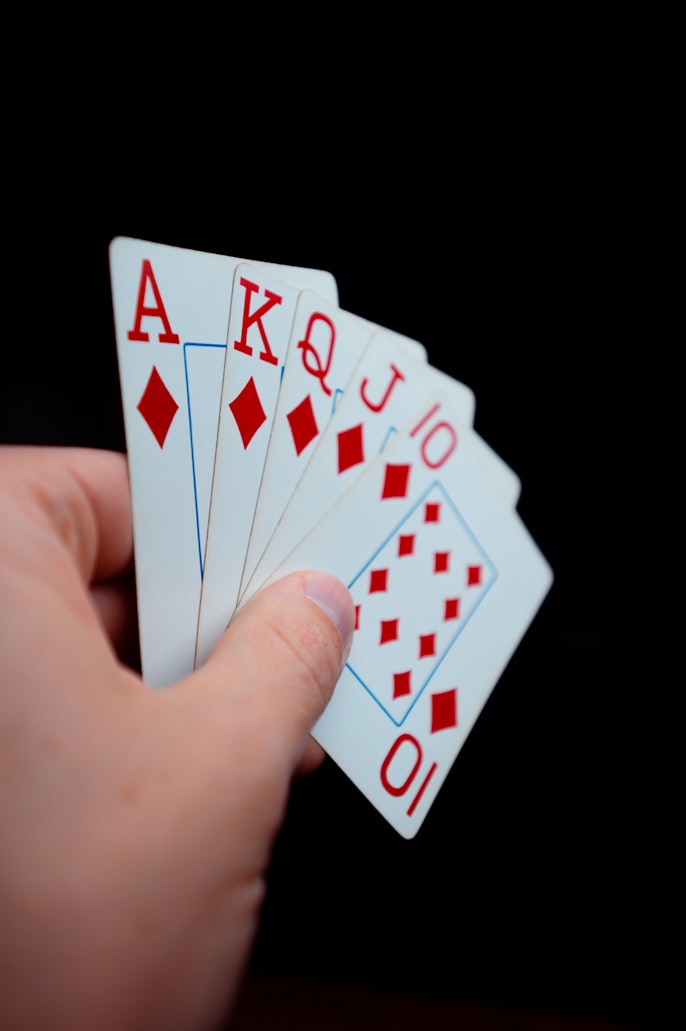
For those interested in delving deeper into the psychological triggers that influence gambling behavior, numerous resources are available. Understanding these aspects can enhance awareness of personal gambling habits and promote healthier decision-making. Whether you’re a casual player or a serious gambler, knowledge is a powerful tool in navigating this complex landscape.
Engaging with communities focused on responsible gambling and psychological research can offer insights into managing behaviors and expectations effectively. By exploring the hidden triggers that motivate gambling, individuals can foster a more informed and balanced approach to this popular pastime.